

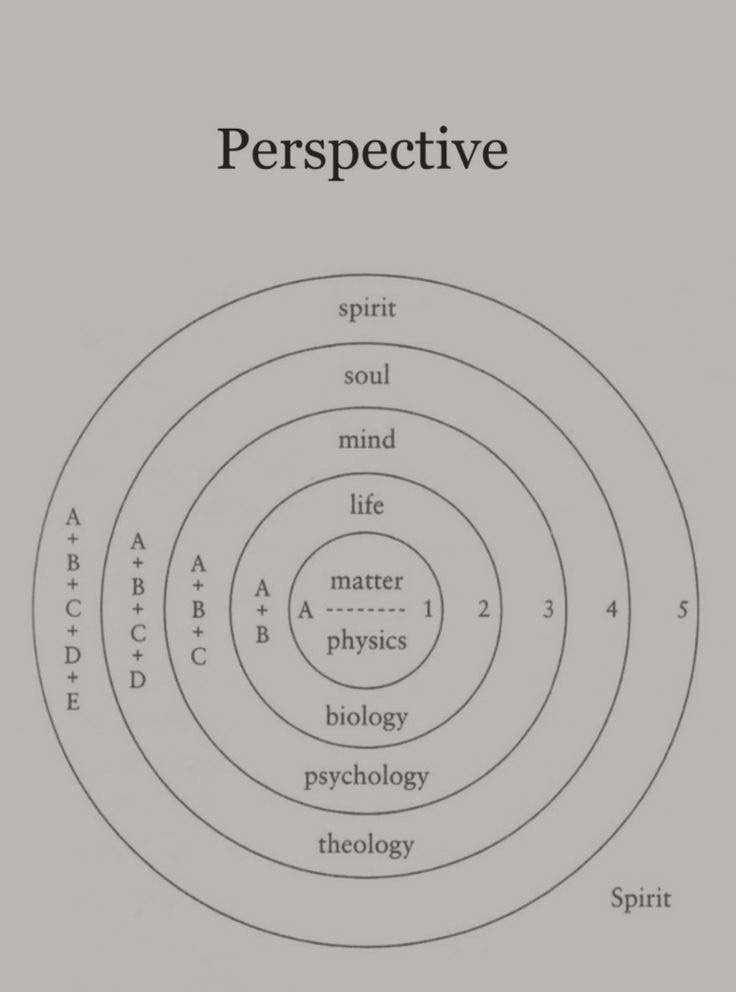
Many people are critiquing either the world of psychology or the world of spirituality for being incomplete.
Just the other day I did a post, sharing about a quote on Tantra by Barry Long.
“Tantra is the love of God to the point of self destruction — the complete obliteration of the self — until what is left is the love of God, which then makes love.”
I loved this quote. And if you are a Tantra devotee, you will understand it.
However it stirred up a little bit within a few people.
Some people tense at the idea of the obliteration of the Self — or the non self — because, we have a self, right?
Therein lies the difference between Psychology and Spirituality.
Psychology is about shaping the self. It is a project of construction…from object relations to attachment theory to somatic work… it exists to help a person build a self that can hold its own weight. A self with edges. A self that can metabolise experience instead of being flooded by it. Winnicott spent a career studying what happens when that construction fails: a self that never fully solidified, forever defending territory it never actually owned.
Spirituality is about the destruction of a sense of the smaller Self, to know the divine. It is about dissolution into the one. It begins from the premise that the self, however well built, was always scaffolding — a temporary structure erected to survive the world, never the final form of the person underneath it. The work here is not to reinforce the walls. It is to walk through them.
We must understand the difference. And we must know when to source one and when to source the other… it is like a tightrope or a dance… and a fine line.
Why the Quote Stings Before It Sings
Obliteration, spoken to someone whose self is still under construction, reads as threat. The nervous system does not parse metaphysics. It parses safety. Tell an undefended person to dissolve and you are asking a house with no foundation to remove its walls.
This is the piece that gets lost in a great deal of contemporary spiritual teaching, and it is the piece I keep circling back to in my critique of New Age tantra: dissolution offered to people who have not yet built anything to dissolve. Ecstatic states mistaken for awakening. Dysregulation mistaken for transcendence. A nervous system in freefall, relabelled as liberation because the language sounded holy enough to justify the fall.
Barry Long was not speaking to that nervous system. He was speaking to a self that had already done its structural work — one stable enough to survive its own undoing, the way a seed survives the breaking of its casing.
And this is why I believe the work of Somatics and the building of a solid self is imperative before we can traverse the spiritual realms.
Self before Surrender.
This is where I think the real teaching lives: self before surrender.
Psychology’s task comes first, chronologically and developmentally. It builds the vessel. It teaches boundaries, discernment, the capacity to stay present with intensity without collapsing or projecting. Spirituality’s task comes after — not instead of, not in competition with, but downstream of a self solid enough to hold the dissolution or “obliteration” of a self.
Skip the first task and the second one turns dangerous. A person without psychological ground who attempts spiritual dissolution does not transcend the self. They fragment it. What looks like a mystical opening is sometimes a trauma response wearing sacred language, and the two can be almost indistinguishable from the outside — which is precisely why so many people, and so many teachers, confuse them.
Knowing Which Room You’re In
The practice, then, is not choosing a side. It is developing the discernment to know which room you are standing in at any given moment, and which discipline that room is asking of you.
When you feel scattered, reactive, unable to hold your own experience without being consumed by it — that is when you need to build, shape and strengthen your container. This is not spiritual bypassing to say so; it is the ground the bypass always eventually reveals it skipped.
When you feel so held, so resourced, so met in your own skin that the walls themselves start to feel unnecessary — that is when surrender and dissolution to something larger becomes available to us as a valuable practise. Let what has been built finally do the thing it was built for, which was never to last forever.
The tightrope is not a flaw in the system. It is the system. A dance between the hand that builds and the hand that lets go, and the wisdom to know, in any given moment, which hand the moment is asking for.
With Love,
Sigourney Belle & The Soma Mystica® Team
A wonderful point. Thank you for this. Surrender requires acceptance. How can one move into such a concept if they have not taken the time to accept and become conscious of how their mind operates now. If there is a hole in your wall in your house and you place a pretty spiritual picture over the hole, in the end, you still have a hole in your wall.
Life and death issue it becones when you have a solar junction that emanates Rose gold and diamond codes to soul mates twins , identical twins a d their tantra practices!!!!
I have so much to say about this but it must be people that are really awake and really understand codependency in gods ways ..
Being tolerant psychologically to survive can become destrustion of mitochondria ..
And being in the old testament way of forgiveness while they steal your womb and spine for abundance...is also a lesson!!
No more dangerous hacking comes when you finish the karmic clearing of the soul.tirs and the unties happens when you take out feminine rage and as you said : DEFENCE MECHANISMS .